Final thesis · Graph machine learning
Agentic Fraud Detection on 25M+ IBM AML Transactions
A private-source thesis system combining graph attention, graph investigation, and an agentic DeepSeek-based workflow for large-scale anti-money-laundering analysis.
- transactions
- 25M+IBM AML dataset
- reported F1
- 94.28%final evaluation
- ROC-AUC
- 0.98final evaluation
01Problem
Large AML datasets contain relational behavior that is difficult to represent using isolated tabular rows, while investigation also requires interpretable traversal of connected entities.
02Approach
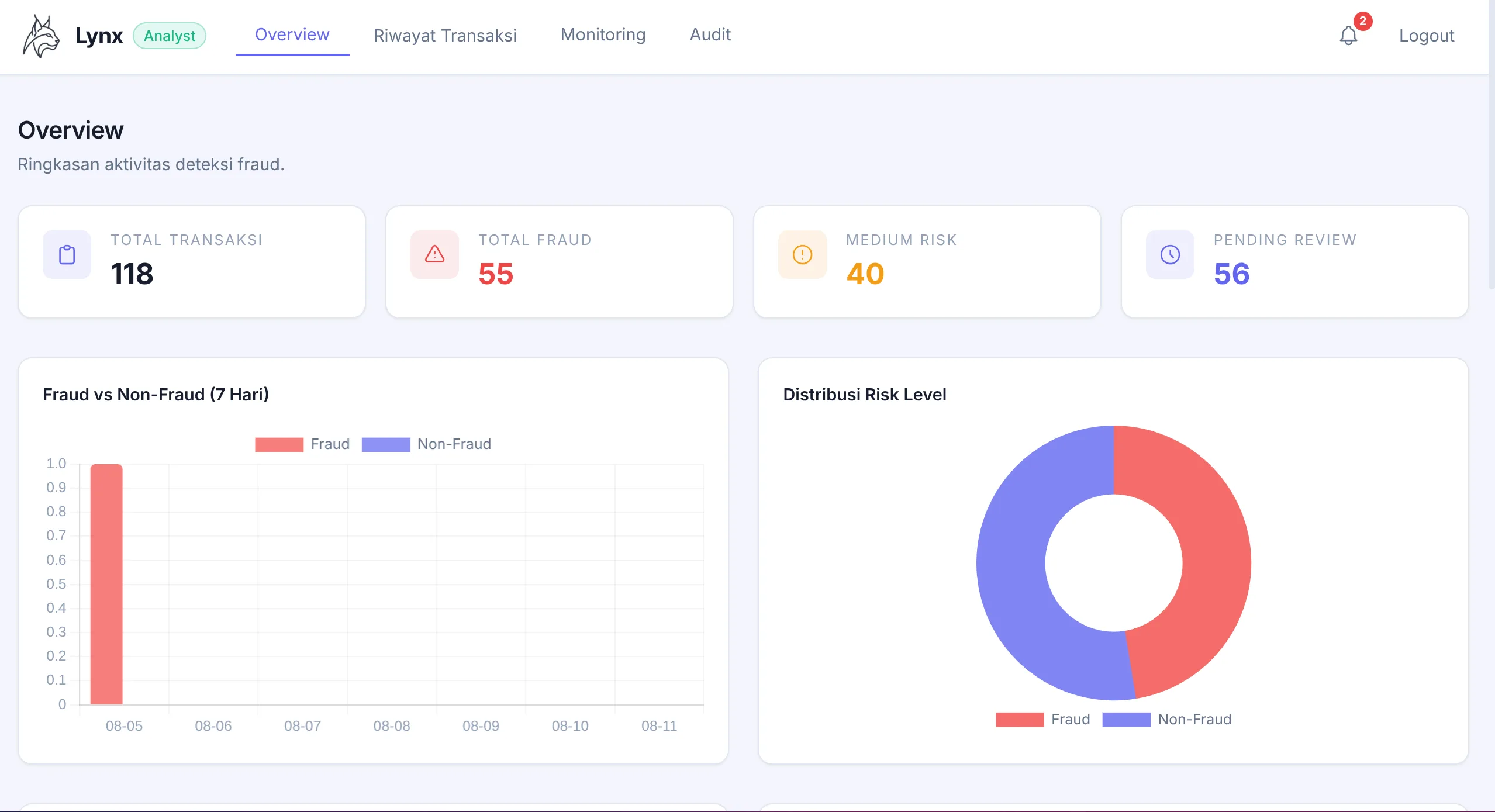
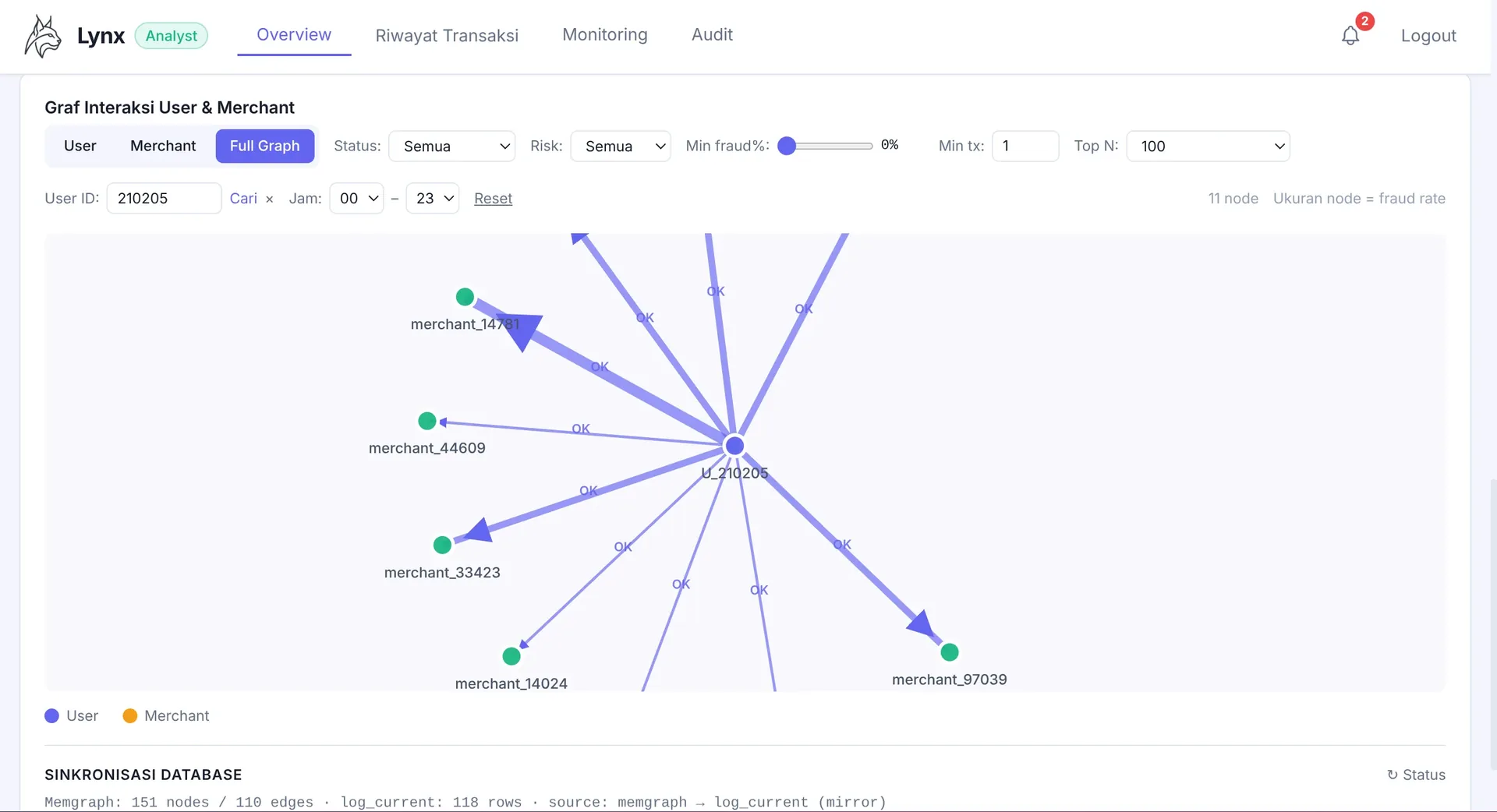
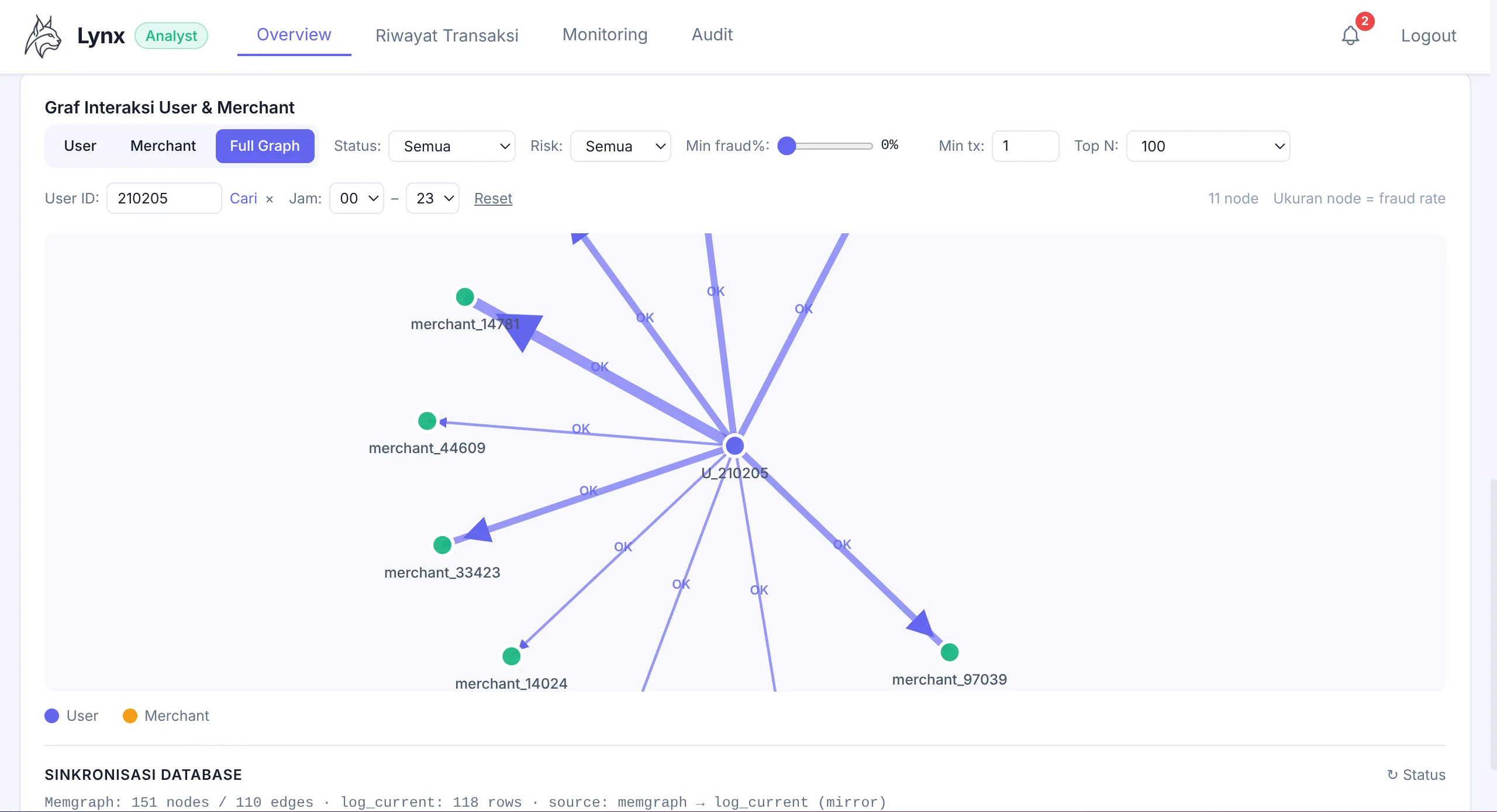
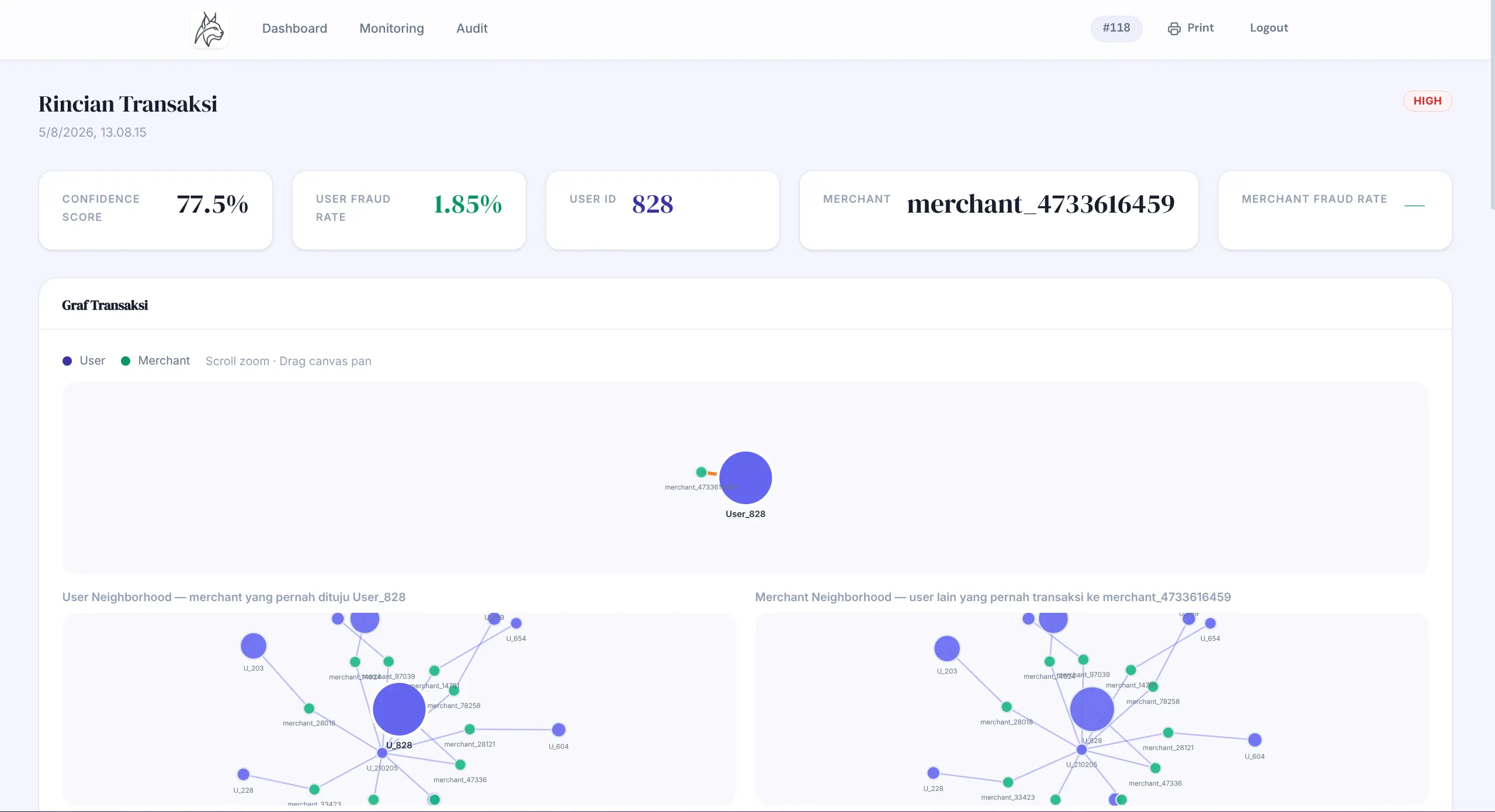
- Modeled IBM AML transactions as a graph and trained a Graph Attention Network for fraud classification, using PostgreSQL as the transactional source-of-record and Memgraph as a mirrored graph store for connected-entity exploration.
- Used Memgraph to support connected-entity exploration and investigation workflows.
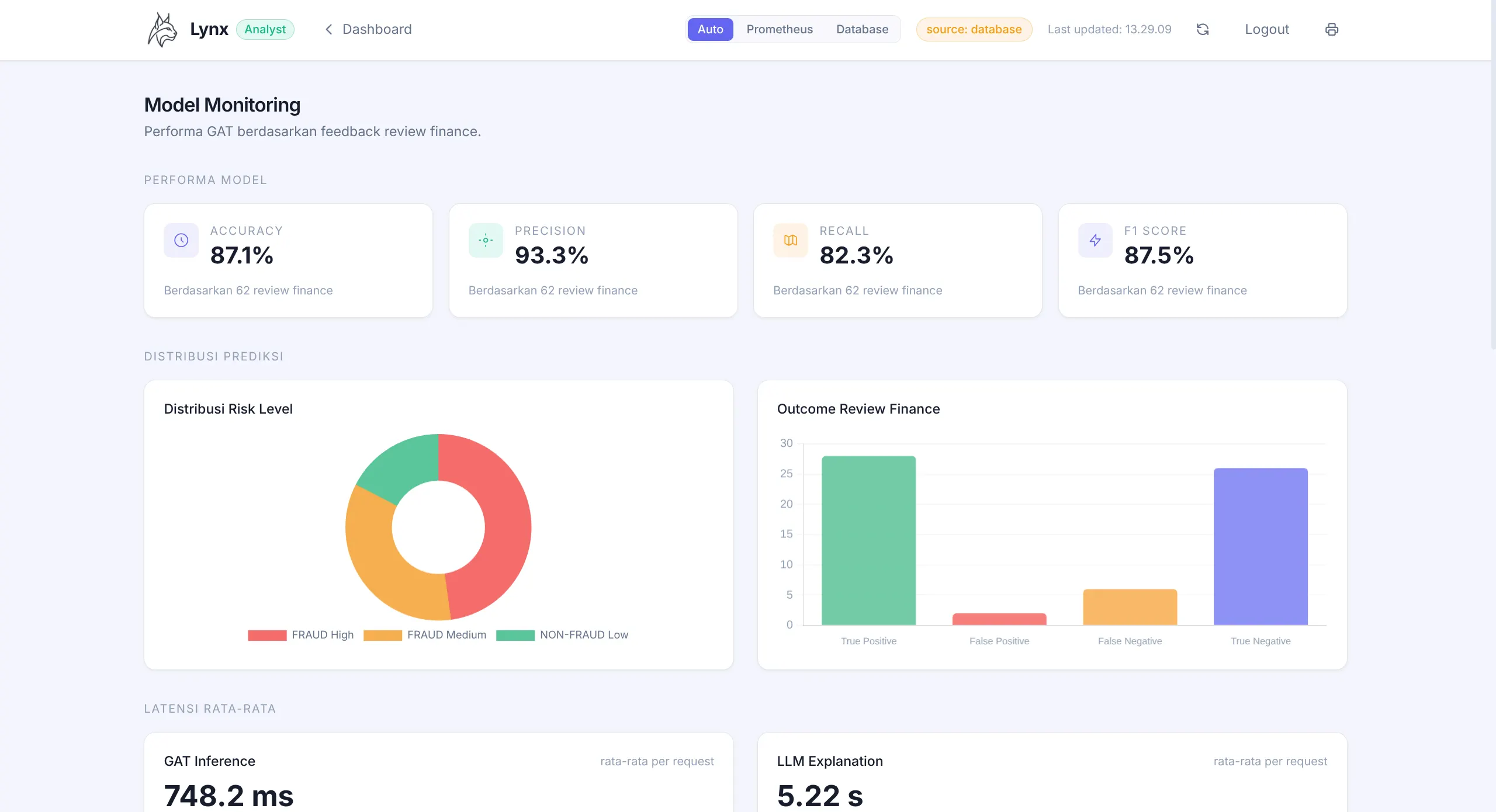
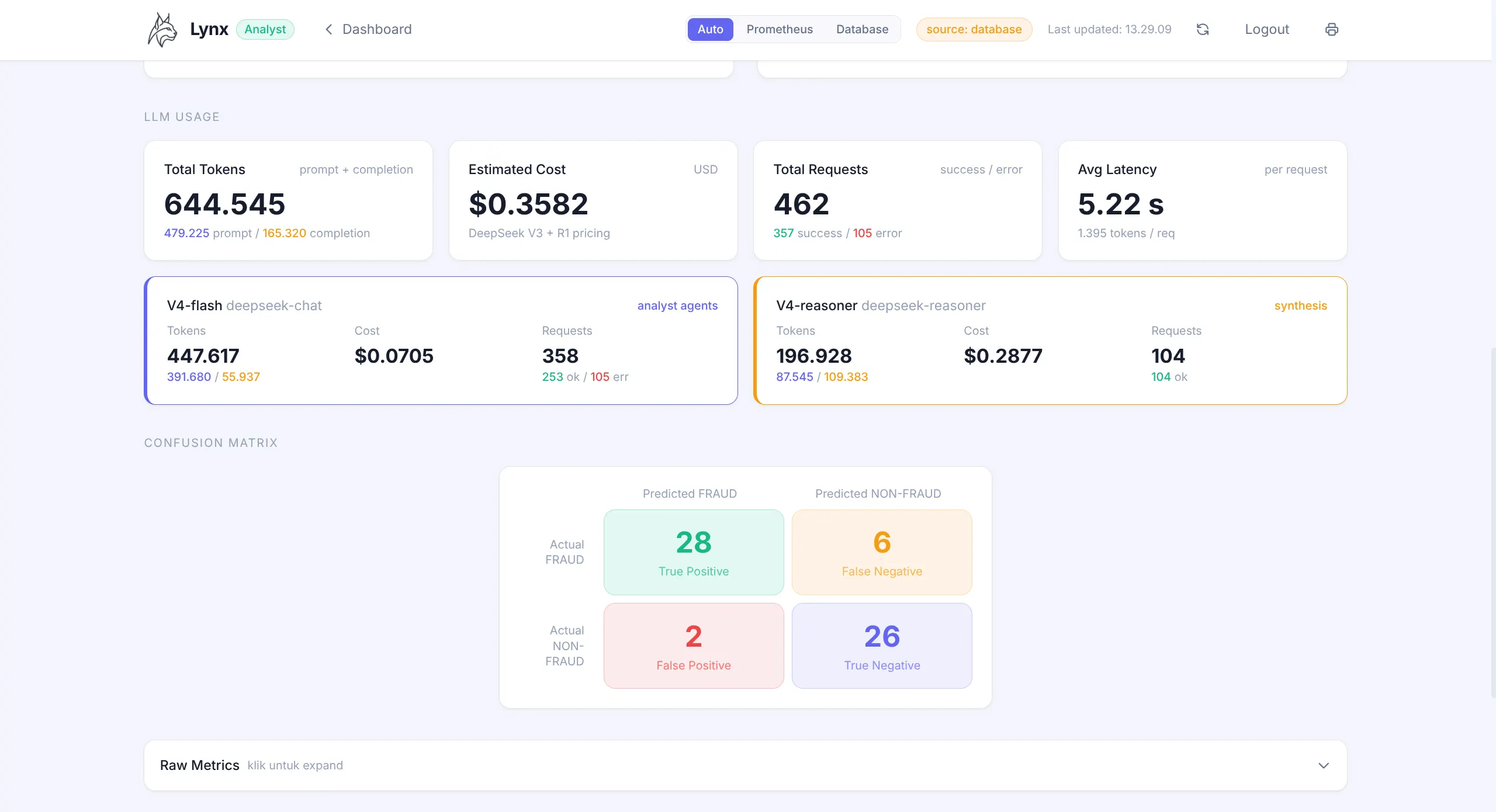
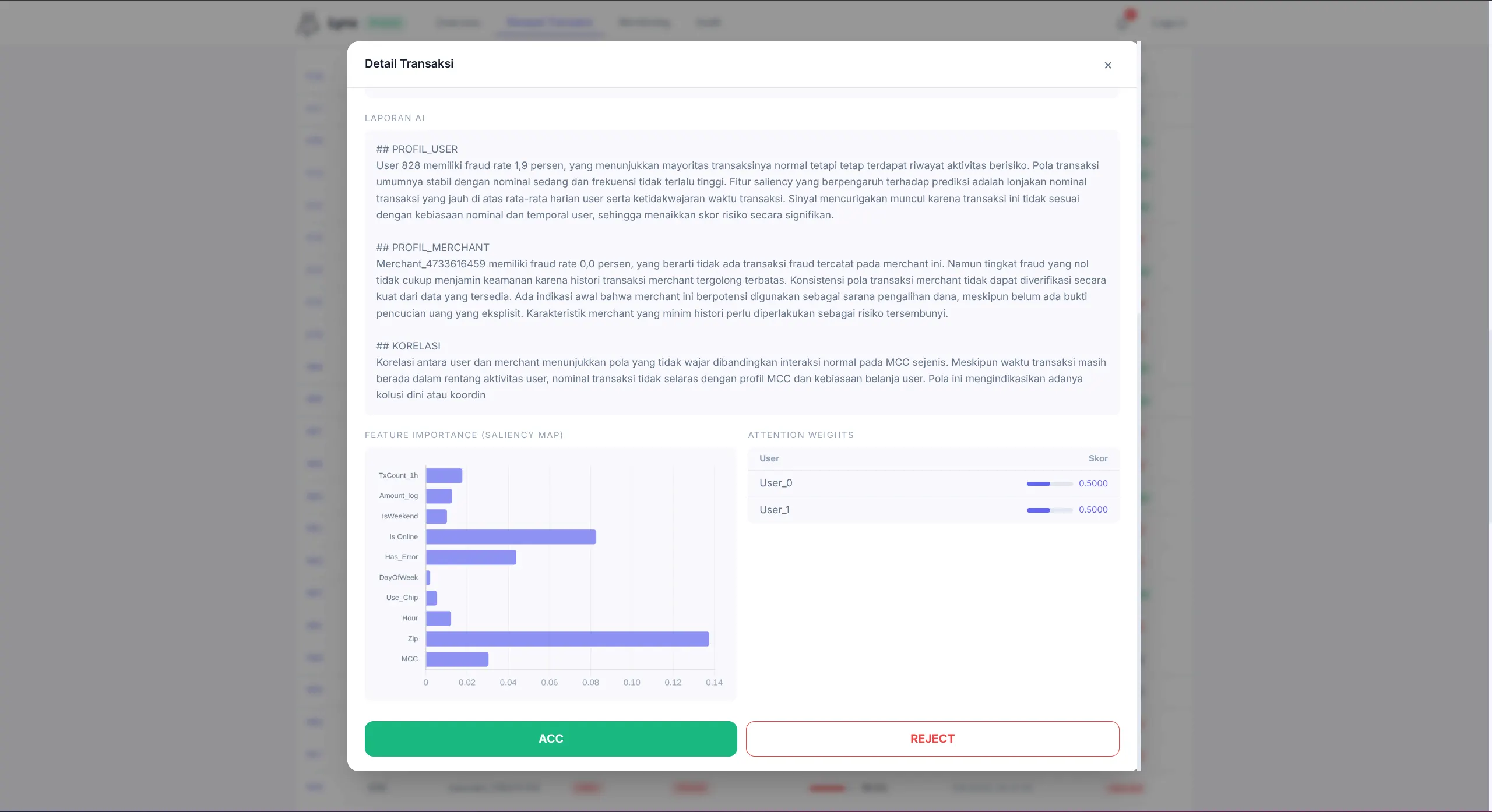
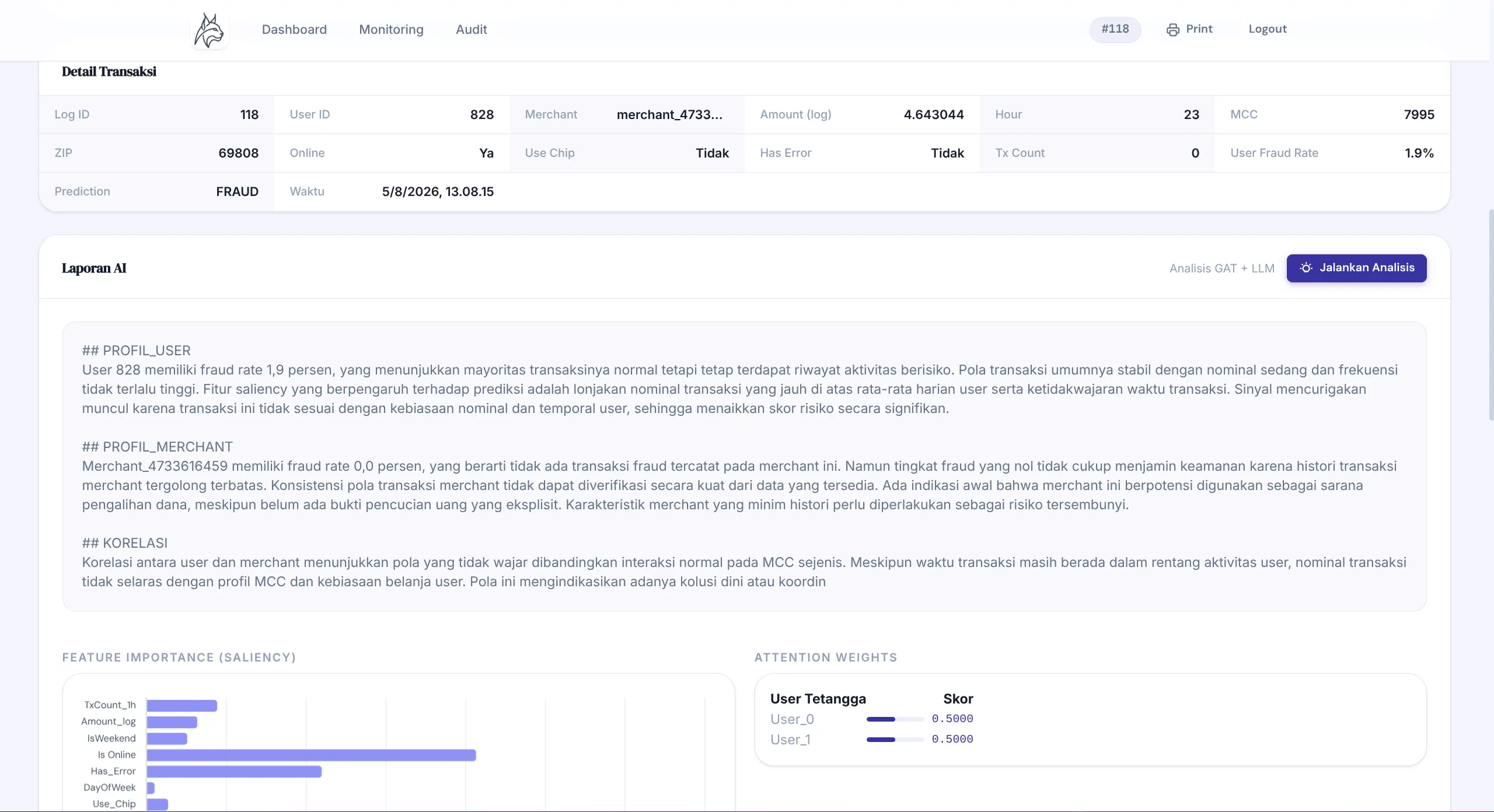
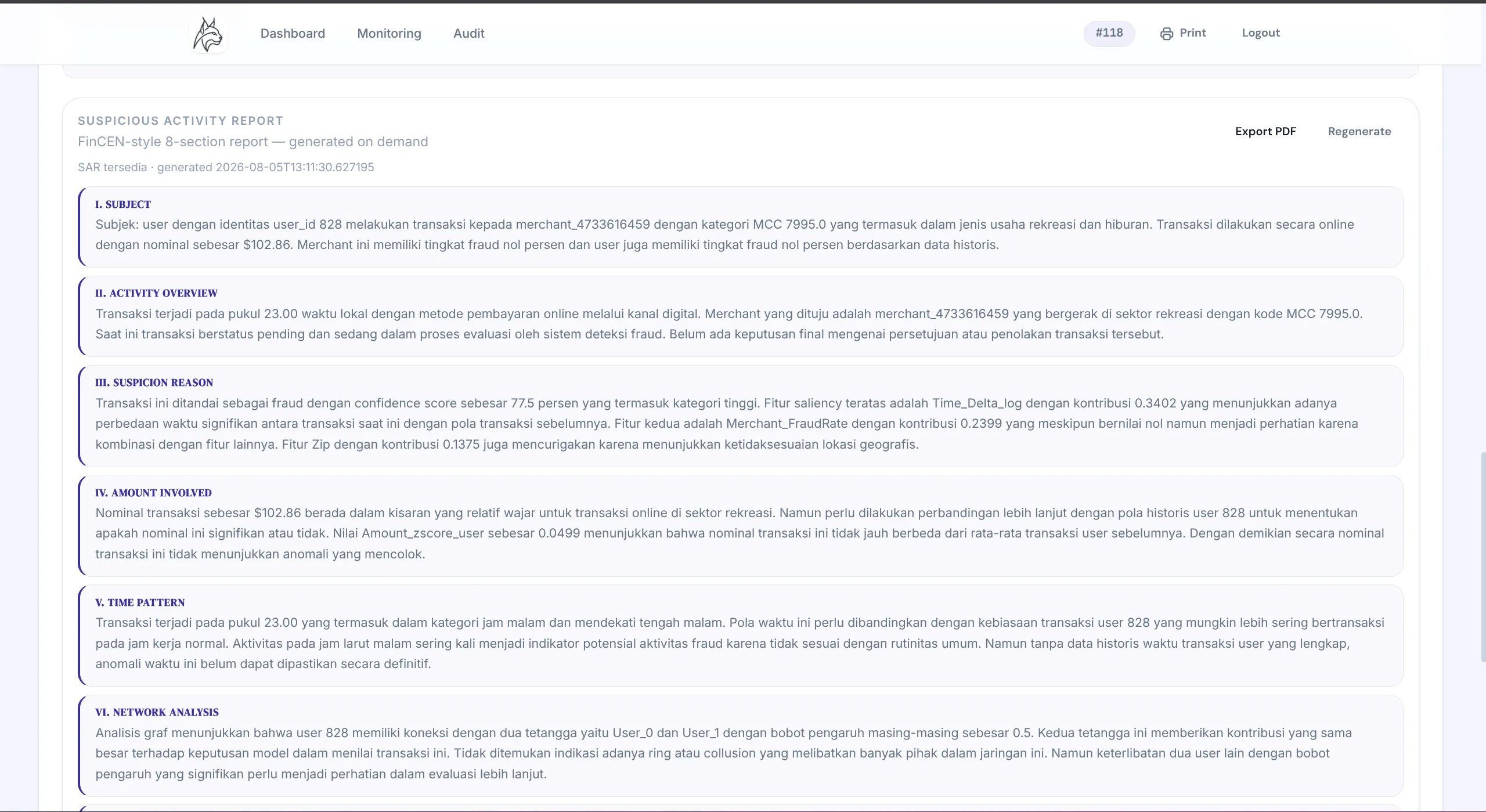
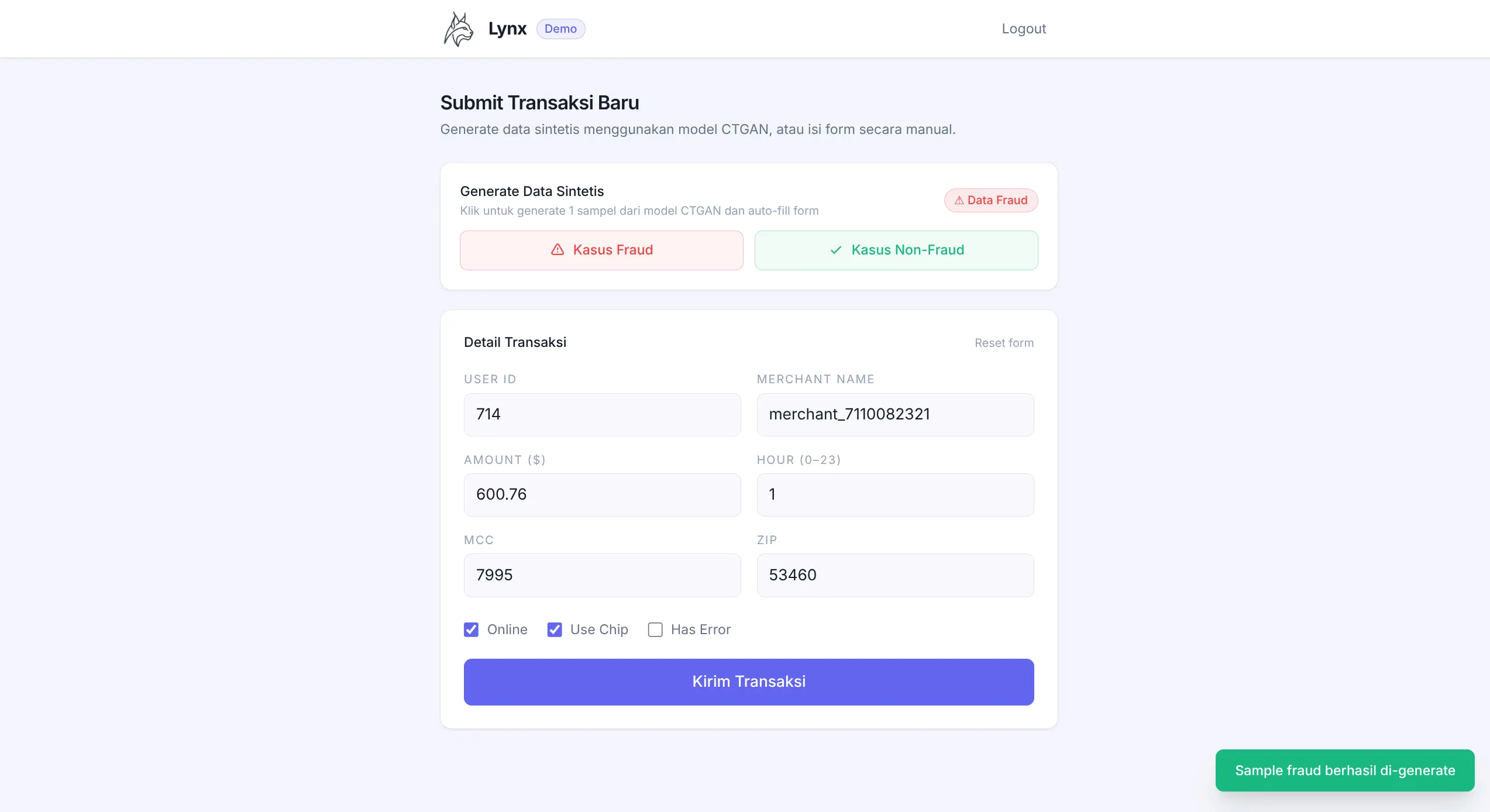
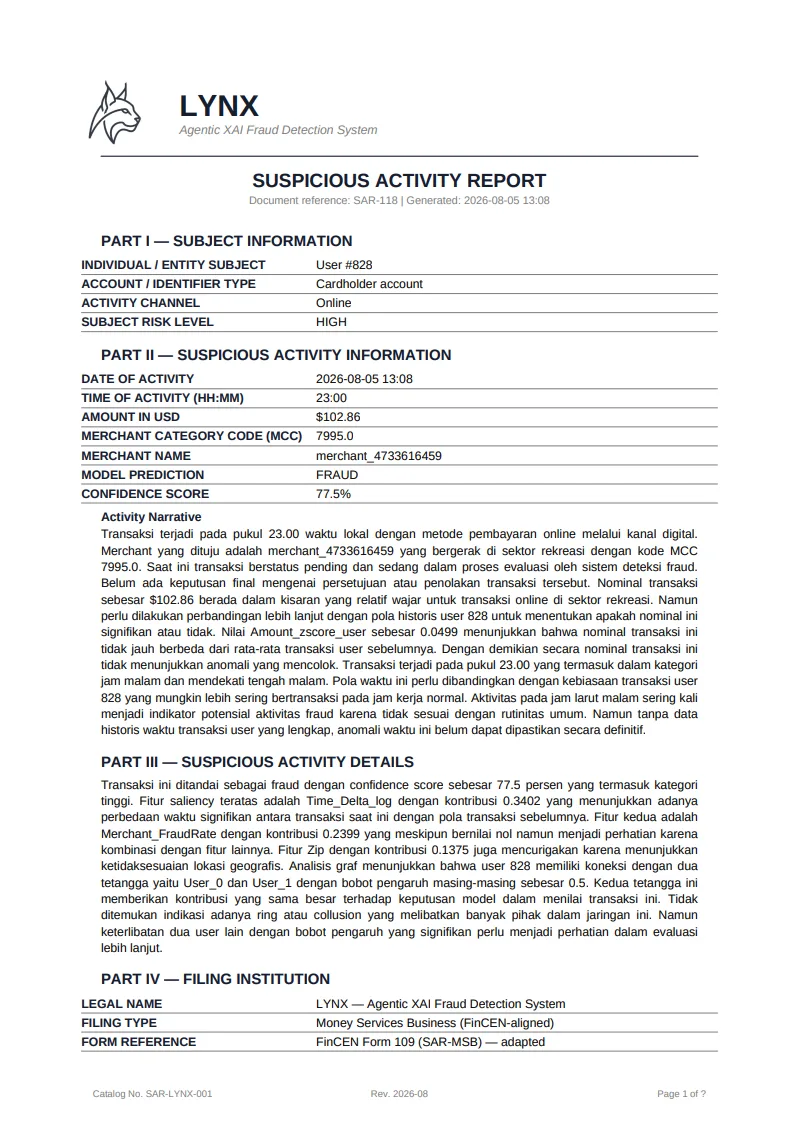
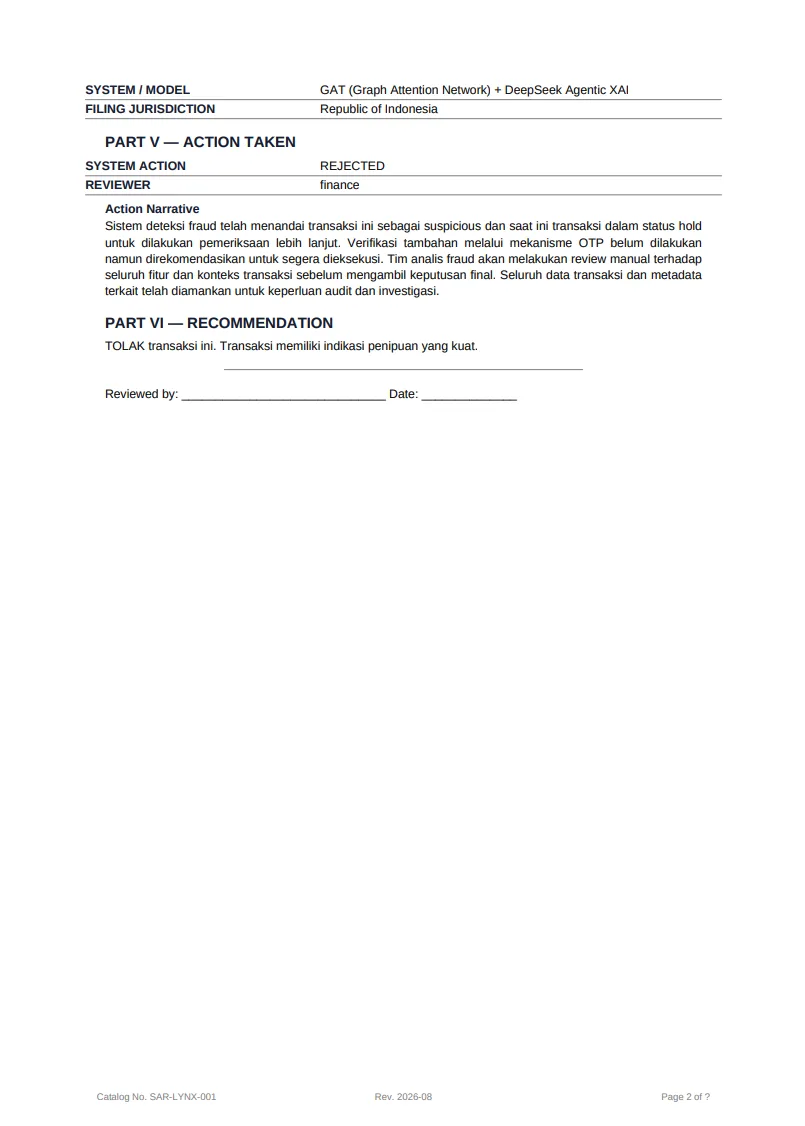
- Orchestrated 3 LLM agents in a ReAct loop using DeepSeek to generate automated Suspicious Activity Reports (SARs), with Qwen and DataGen supporting synthetic data generation and validation.
03Contribution
- Designed the research workflow and large-scale data preparation process.
- Implemented and evaluated the graph model on more than 25 million transactions.
- Integrated model output with graph investigation and agentic system components.
04Outcome
- Reached a reported F1 of 94.28% and ROC-AUC of 0.98 in the final evaluation.
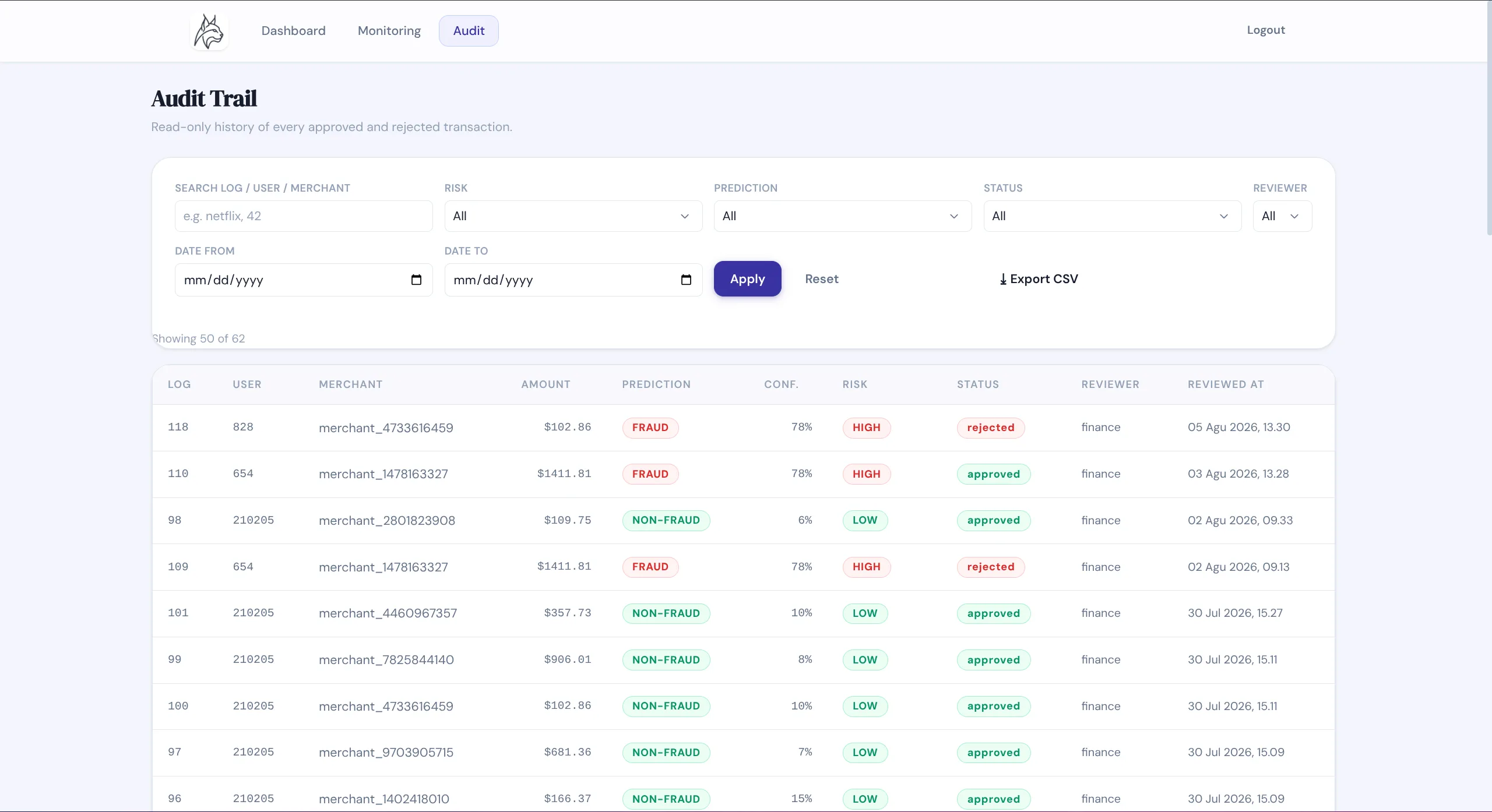
- Documented end-to-end thesis system across GAT classification, graph investigation, and SAR generation.
- Produced a documented end-to-end thesis system while keeping the implementation source private.
05Limitations
- Results are based on the IBM AML dataset and should not be interpreted as production performance on a financial institution’s live data.
- The source repository is private; architecture, methodology, and results are shared through the thesis website.